
What investors see in an IPL franchise
The sale of Royal Challengers Bengaluru put a price of US$1.78 billion on an Indian cricket team. That value rests on a few assumptions every buyer and owner should test.
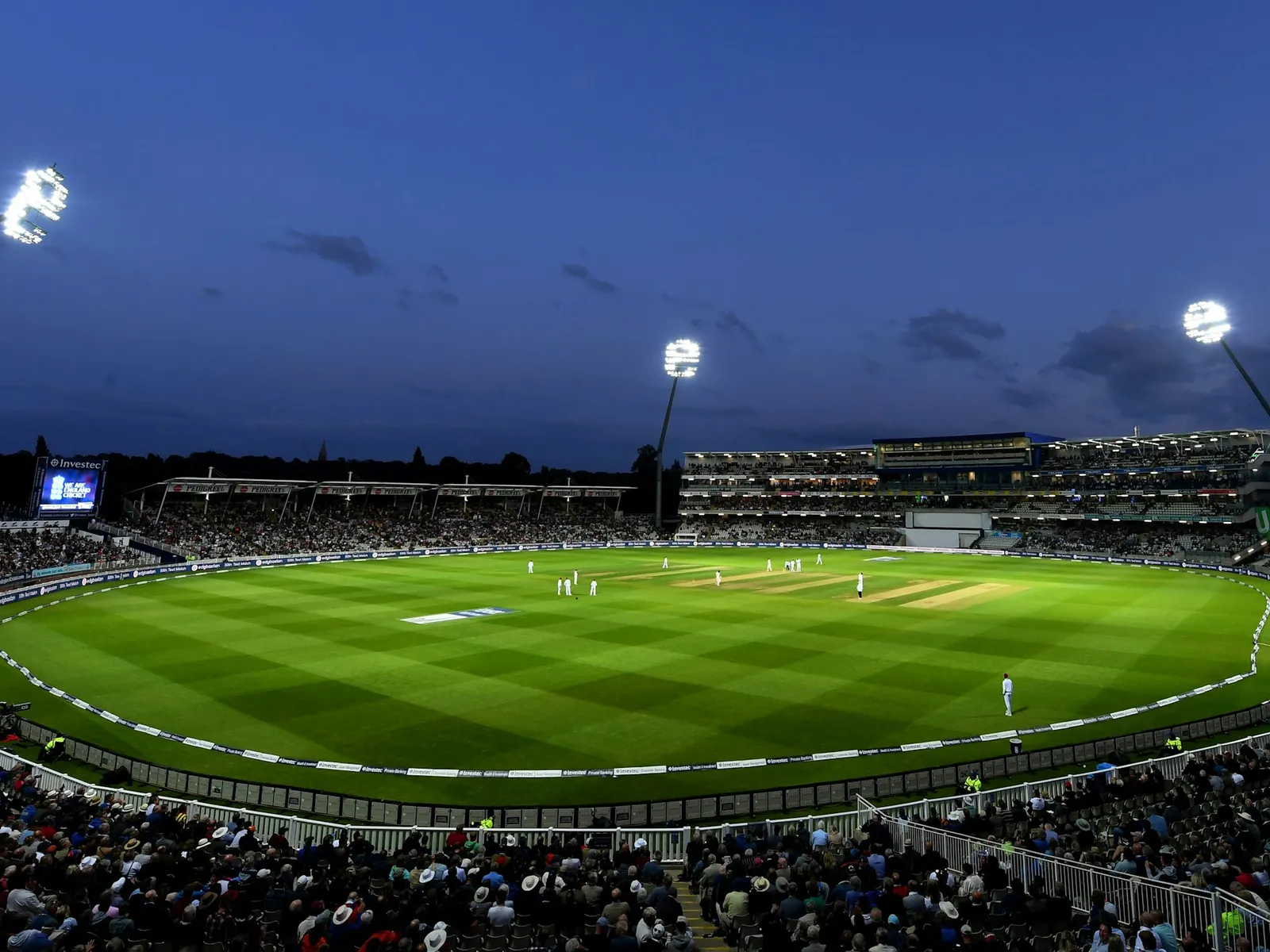
In March 2026, Diageo's Indian subsidiary agreed to sell Royal Challengers Bengaluru, including its women's team, to a consortium led by the Aditya Birla Group alongside the Times of India Group, Bolt Ventures and Blackstone. The reported value was US$1.78 billion. Diageo described cricket as non-core. For the buyers, it was clearly anything but.
The deal was a milestone for Indian sport. It showed that a cricket franchise can attract the same kind of institutional capital that buys stakes in American and European teams. It also raises a question every owner, investor and board should be able to answer: what exactly supports a valuation of that size?
Where the value comes from
An IPL franchise earns money in three broad ways. The largest is its share of the league's central revenues, above all the media rights. The rights for 2023 to 2027 were sold for ₹48,390 crore, then about US$6.2 billion, and a significant part of central income flows to franchises. The second is the franchise's own commercial income: team sponsorship, ticketing, merchandise and hospitality. The third is harder to measure but increasingly important: the value of the brand as a platform, across leagues, formats and markets.
- 01Central revenuesA share of league media rights and central sponsorship, set by multi-year contracts.
- 02Franchise commercialTeam sponsorship, tickets, merchandise and hospitality, driven by brand and fan base.
- 03Platform optionsWomen's teams, overseas leagues and content, which extend the brand beyond a two-month season.
The first pillar provides predictability. The second and third decide who outperforms.
Why institutional investors are interested
The central-revenue model gives franchises something rare in sport: a large, contracted and fairly predictable income stream that does not depend heavily on winning. There is no relegation, and the number of teams is fixed, which makes each franchise a scarce asset. Houlihan Lokey valued the IPL as a business at about US$18.5 billion in 2025, up almost 13 per cent in a year, and ranked RCB as the league's most valuable franchise brand.
Scarcity has been visible for some time. The two franchises added in 2021 cost their buyers ₹7,090 crore and ₹5,625 crore, and other teams have since run sale processes with global financial sponsors involved. For investors, an IPL franchise combines the downside protection of contracted revenues with exposure to the growth of Indian media, consumption and sport.
A franchise is priced on its future media-rights cycles. That is both its strength and its largest concentration of risk.
The assumptions worth testing
Every valuation rests on beliefs about the future, and sports assets are no exception. Four are worth examining closely.
Media-rights growth. Much of a franchise's value depends on the next rights cycles being larger than the last. The Indian broadcasting market has consolidated, which may change how competitive future rights auctions are.
Sponsorship depth. The 2025 ban on real-money online gaming removed some of the biggest spenders in Indian sports sponsorship almost overnight. A franchise whose commercial income is concentrated in one category is more exposed than its headline revenue suggests.
Brand durability. Fan bases built around a single star or a winning era can fade. Franchises that invest in their city, their women's team and their content build brand value that outlasts individual players.
Governance and league rules. Franchise economics depend on decisions made centrally: the revenue split, the purse cap, the number of teams and the calendar. Changes to any of them can shift value between the league and its members.
What this means for owners
The arrival of institutional capital changes what good ownership looks like. Owners will increasingly be judged on whether they grow the value of the asset, not only on trophies. That means treating squad building as capital allocation, measuring sponsorship returns rather than assuming them, and building a commercial platform that is less dependent on any single contract. It also means applying to sporting assets the same discipline that good acquirers apply to any other deal: a clear thesis, a disciplined price and a plan for creating value after the purchase.
What would change our view
A flat or lower price in the next media-rights cycle, or a smaller central share for franchises, would undercut the assumptions behind today's prices, and our view with them.
Sources
- ESPNcricinfo, “RCB sold for USD 1.78 billion to Aditya Birla, Times of India-led consortium” (2026)
- BCCI, successful bidders for IPL media rights 2023–2027 (June 2022)
- Houlihan Lokey, IPL valuation study (2025)
- Business Standard, “CVC Capital gets Ahmedabad, RPSG Group gets Lucknow” (October 2021)
Figures are as reported by these sources. Interpretation and conclusions are RavenArc analysis.
RavenArc tests every decision against six questions. See the RavenArc Decision Method.
One considered idea, straight to your inbox.
A short note when we publish something worth a leader’s time. No noise, and you can leave with one click.